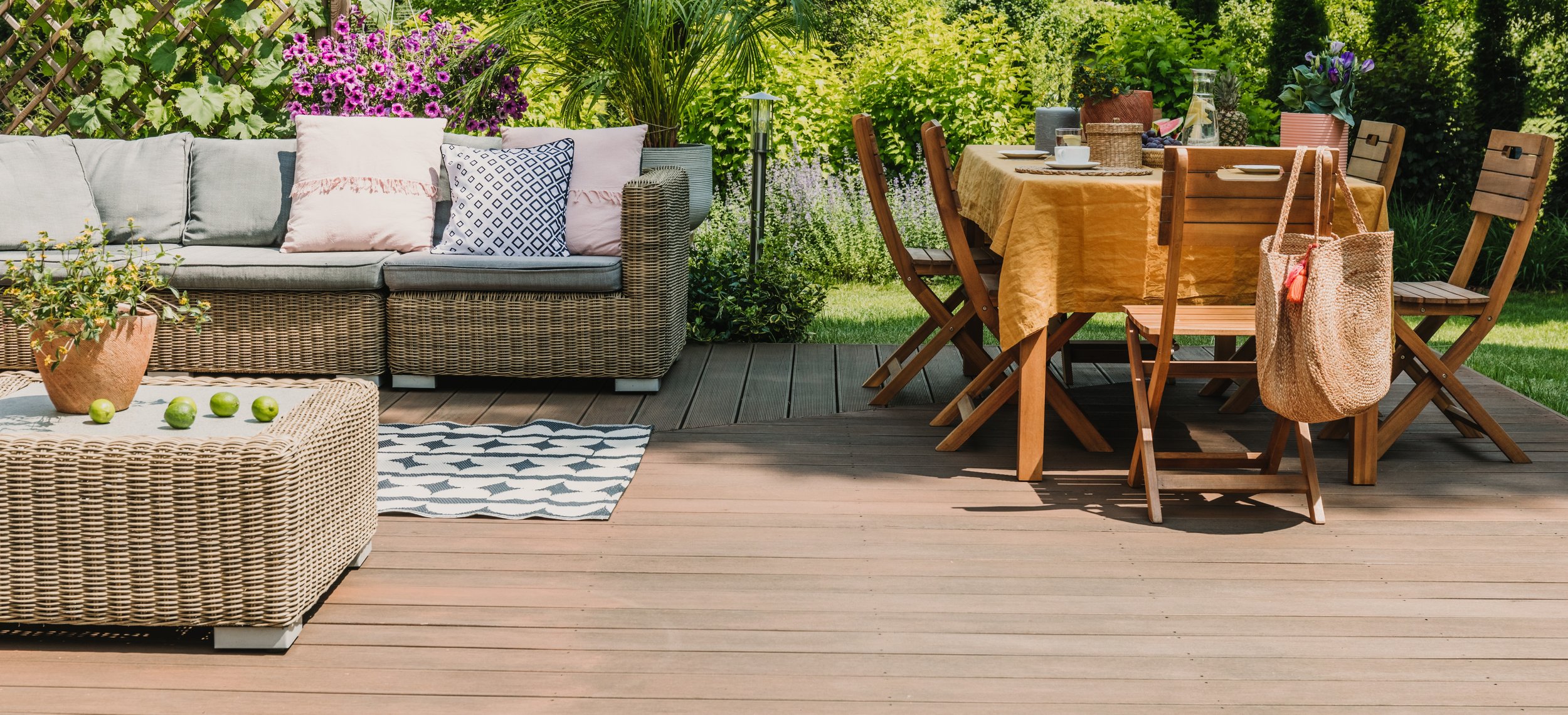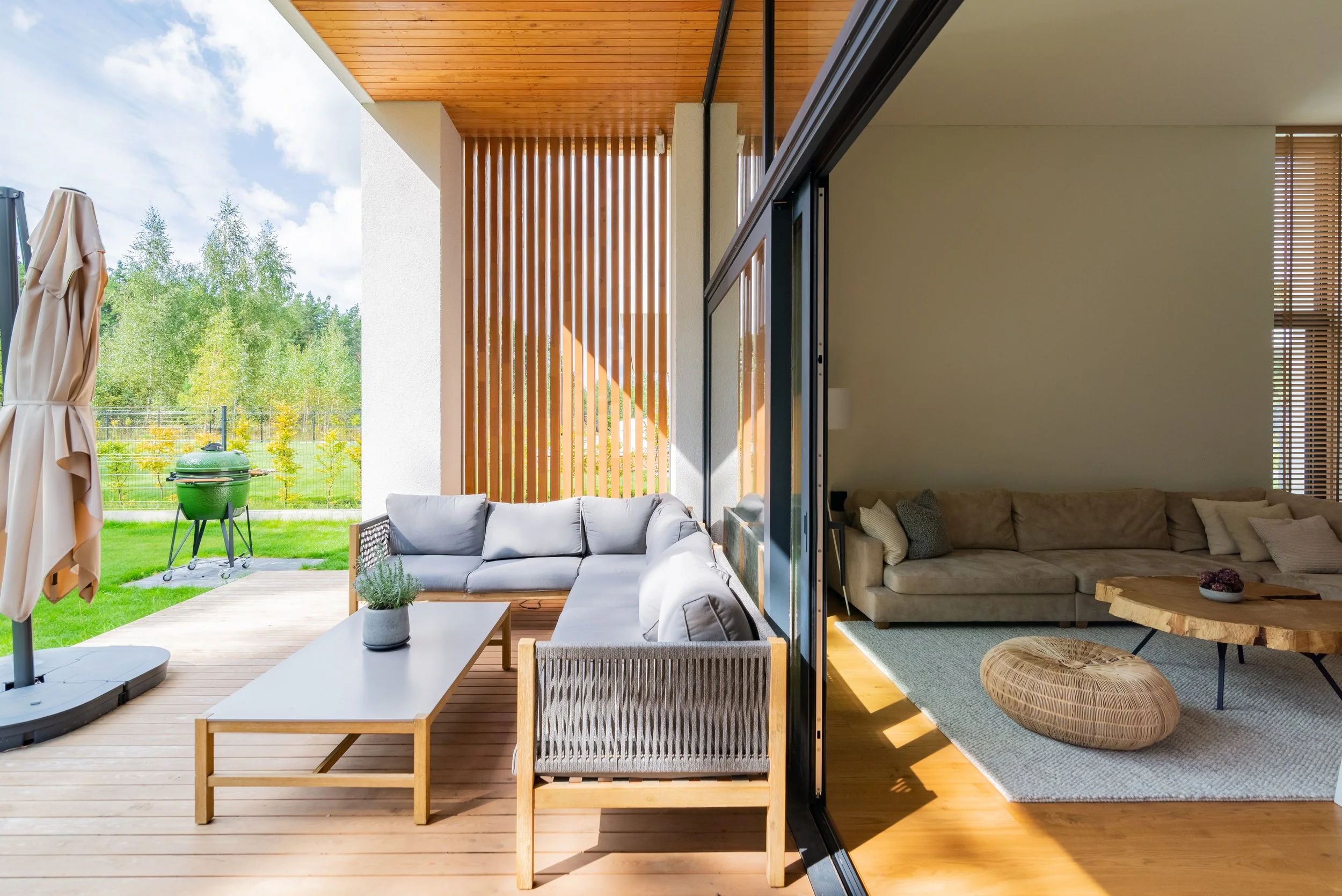
Custom Deck Construction Designed for Long-Term Outdoor Living
Deck construction is more than installing boards.
Every outdoor living project must consider structural integration, environmental exposure, material performance, and homeowner lifestyle goals.
Picano Builders designs and builds custom decks using advanced composite, premium PVC, and natural hardwood materials to create outdoor environments that are durable, functional, and visually refined.
TrexPro Platinum Contractor • TimberTech Platinum Contractor • NADRA Member • BBB A+ Rated • 24 Years Experience
Building a deck in California requires more than selecting materials.
It requires structural planning, environmental awareness, and manufacturer-correct installation.
We build custom decks in San Diego County, Orange County, and Sonoma County with a contractor-first mindset — engineered properly from framing to finish.
24+ Years Experience
Since 2002, Picano Builders has completed more than 1000 outdoor living projects across coastal and inland California communities.
Platinum Deck Contractor
Recognized as a TrexPro® Platinum and TimberTech Platinum installer with extensive experience working with advanced decking systems.
Trusted Construction Process
Our projects are guided by practical planning strategies, skilled carpenter installation, and performance-driven outdoor living design.
Every Successful Deck Starts Before Construction
Most deck problems are not material failures. They are planning failures.
Before we discuss design, we evaluate structural, environmental, and budget factors that determine long-term performance.
What We Evaluate Before Design
• Property slope and drainage
• Attachment strategy (ledger vs freestanding)
• Coastal exposure
• Fire zone / WUI requirements
• Structural loads (spa, kitchen, elevated decks)
• Budget alignment
Building a deck is not a cosmetic expense. It is a structural investment that should be managed professionally from day one.
Our Contractor Process
1. Initial Inquiry
________________________________
2. Discovery Call
________________________________
3. Property Consultation
________________________________
4. Proposal & Follow-Up
________________________________
5. Construction Begins
________________________________
6. Progress Reporting
________________________________
7. Completion & Review
________________________________
8. 6 Month Check-Ins
_________________________________
Structural Framing Systems
Framing is the part of the deck you never see — but it determines how long everything above it performs.
Material selection affects fire resistance, moisture durability, rigidity, and warranty eligibility
Material Relative Cost Best For Pressure Treated Lumber $ Standard residential builds
LVL (Exterior Rated) $$ Long spans / structural upgrades
Powder-Coated Steel $$$ Coastal & fire-prone zones
Powder-Coated Aluminum $$$$ Premium / rooftop / corrosion-sensitive
Framing Materials - Presented in Order of Investment
We can provide two pricing paths: a baseline code-compliant build and a performance-optimized build aligned with environmental exposure.
How We Present Structural Options
Ledger Attachment & Waterproof Detailing
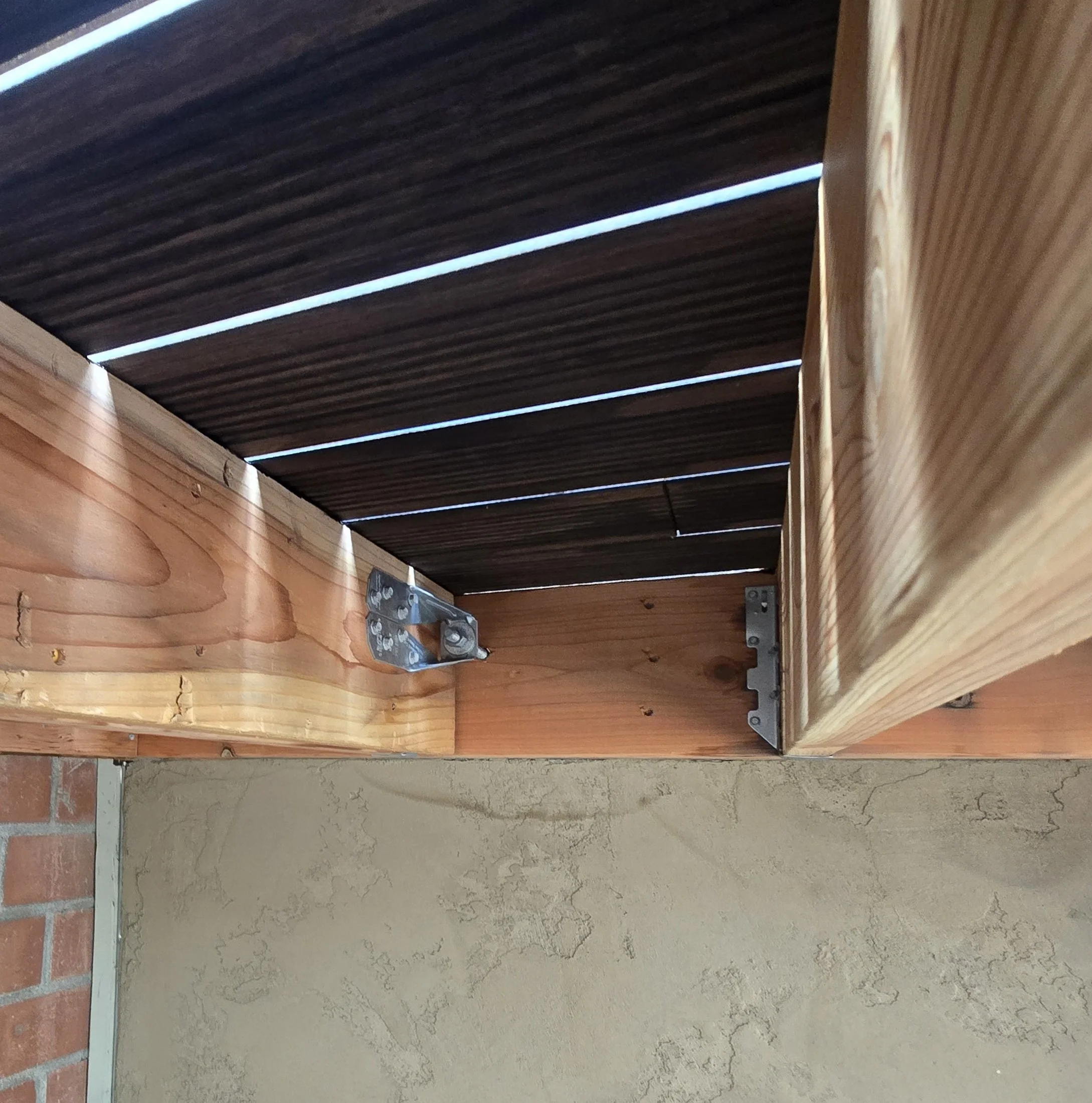
Ledger failure is one of the most common structural risks in deck construction.
Proper flashing, corrosion-resistant hardware, and inspection-ready attachment are non-negotiable.
Footings, Posts & Load Path
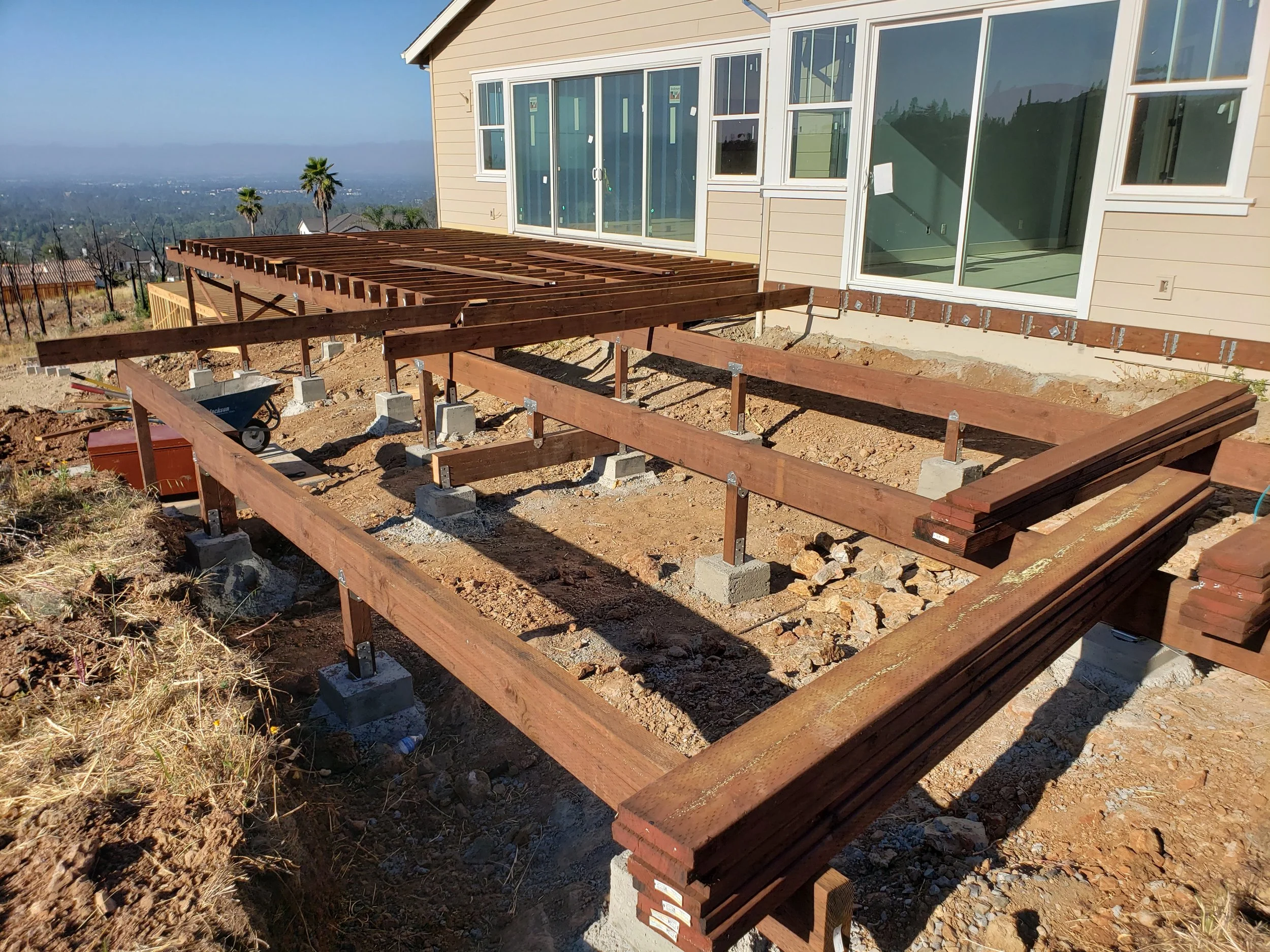
Deck loads must transfer correctly from joists to beams to posts to concrete footings.
Elevated and hillside decks require additional structural planning and reinforcement.
Upper Decks & Waterproofing
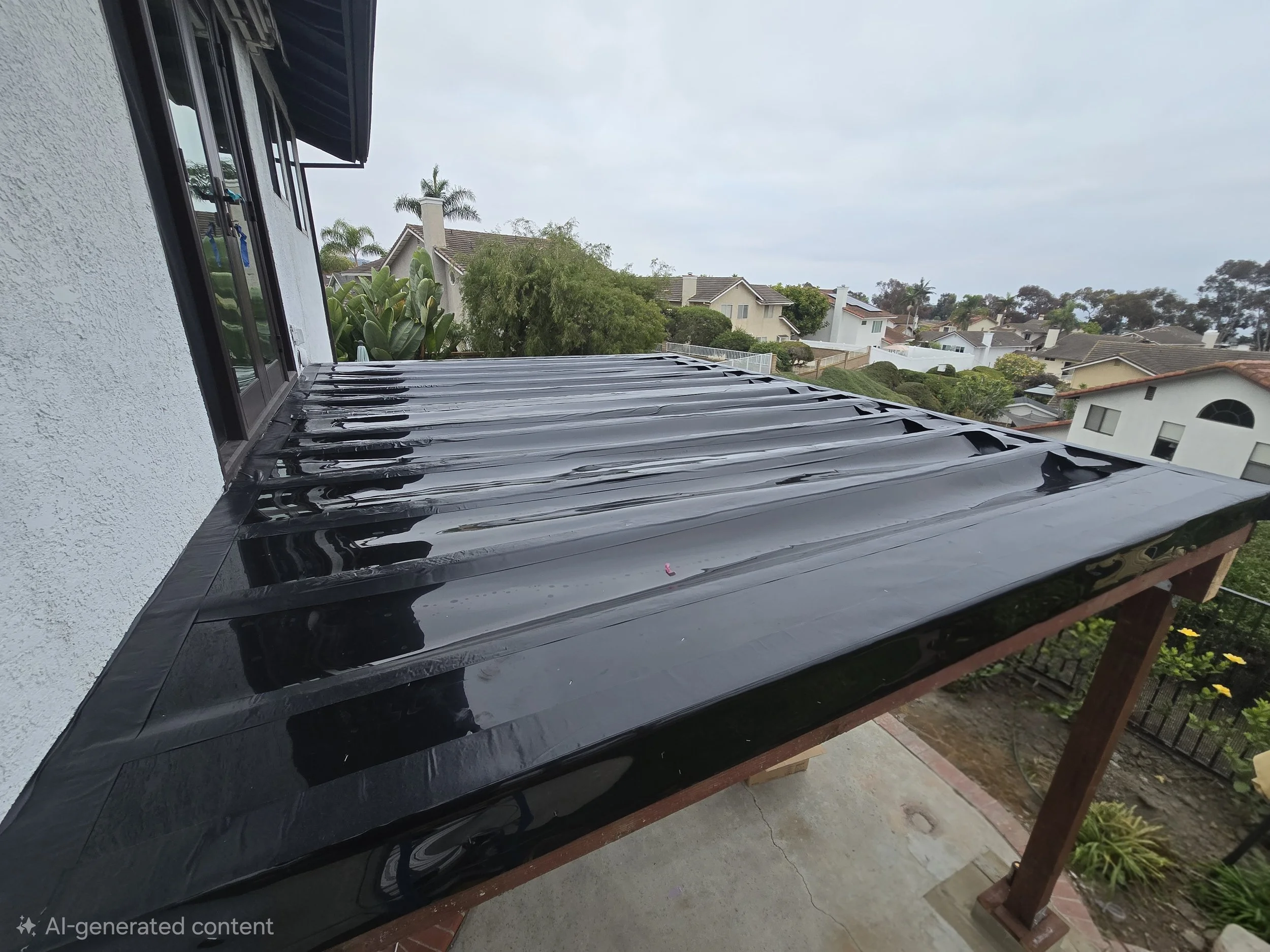
When a deck sits above usable space, waterproofing must be engineered into the system.
Water control is a structural decision — not an afterthought.
When Waterproofing Is Required
• Second-story decks
• Decks above patios
• Occupied space below
• Storage below
• Code-triggered situations
Waterproofing Systems We Use
Coating Systems
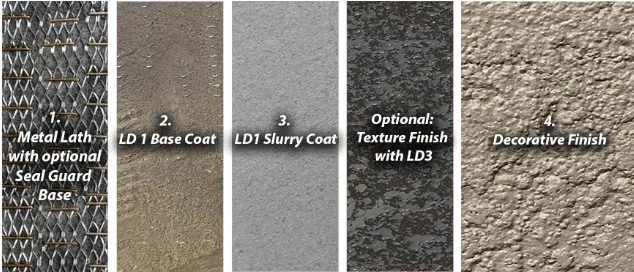
Used when the deck surface itself must be fully waterproof.
We subcontract to specialists because waterproofing deserves dedicated expertise.
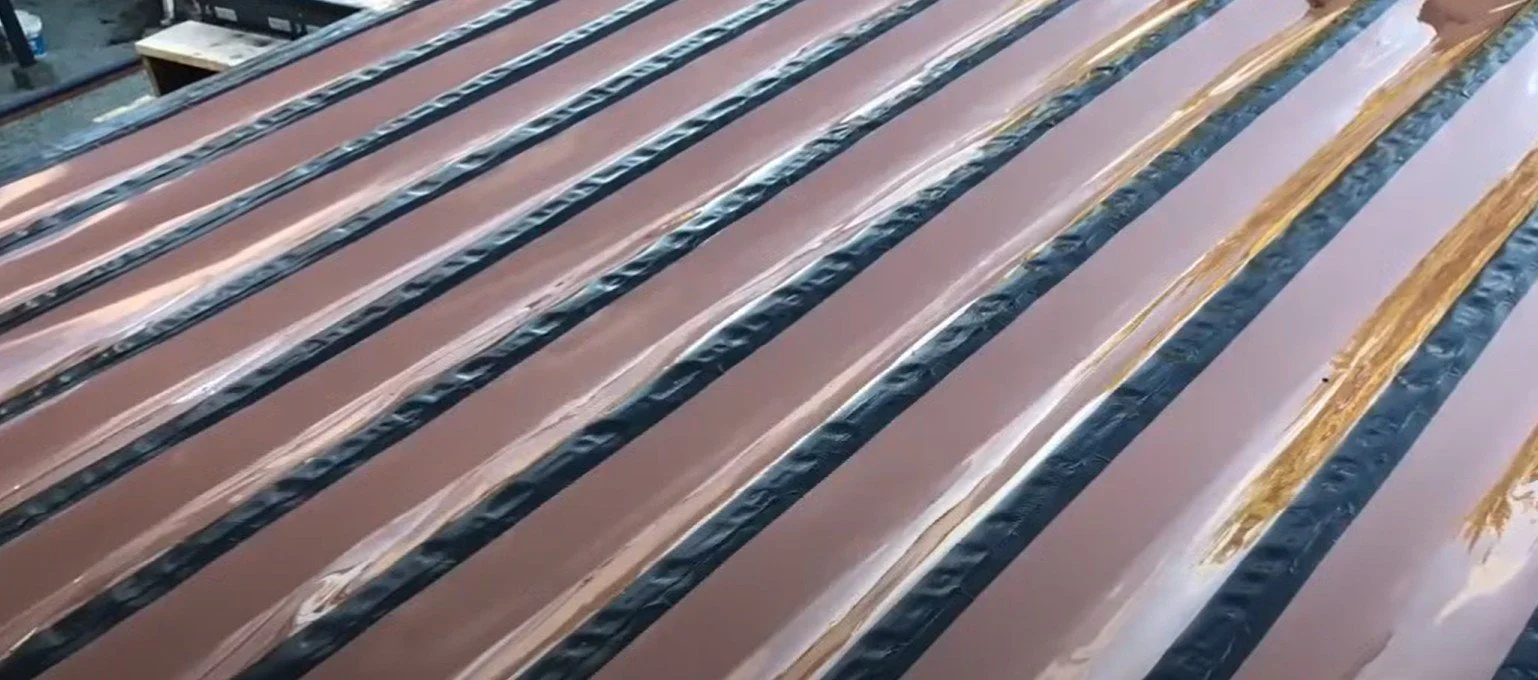
Under-Deck Drainage Systems
Installed above joists to channel water to gutters while preserving traditional decking above.
Must be planned before decking and coordinated with electrical and soffit design.
Drainage, Soffits & Electrical Planning
Water must move intentionally through slope, gutter integration, and overflow planning.
• Recessed lighting
• Ceiling fans
• Privacy panels
• Audio systems
These elements must be coordinated before framing is finalized.
The structure supports the deck.
The surface determines how you live on it.
Heat retention, expansion, staining, scratching, maintenance, and warranty coverage all vary by material.
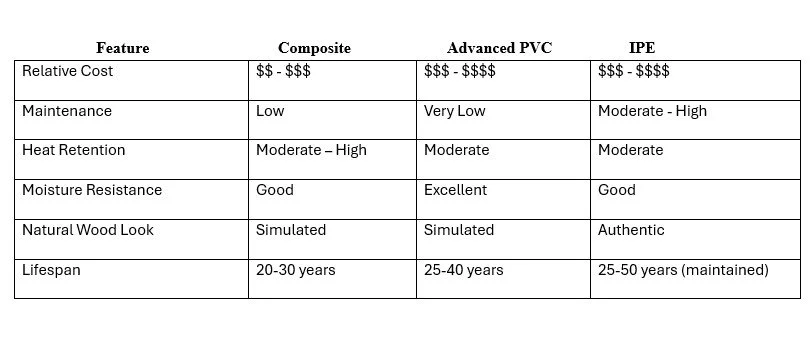
We primarily build with three categories:
Composite
Advanced PVC
Ipe Hardwood
Each performs differently — especially in California sun, coastal air, and wildfire-prone areas.
Choosing the Right Surface for Your Climate, Budget & Expectations
Composite Decking
-
• Lower cost than premium PVC
• Wide color and texture options
• Hidden fastener systems available
• No sealing or staining required
• Strong manufacturer warranties -
• Can retain heat in full sun
• May show scratching in high-traffic areas
• Slight expansion and contraction with temperature changes
• Performance varies significantly by product line -
Standard backyard decks
Moderate sun exposure
Clients prioritizing maintenance reduction
Balanced budget projects
Best Balance of Cost & Performance
Composite decking combines wood fibers and recycled plastics to create a low-maintenance surface.
Composite is often the most practical choice for homeowners who want durability without entering the highest price tier.
Advanced PVC Decking
Performance-Focused Upgrade
Advanced PVC decking contains little to no organic material, which reduces water absorption and increases dimensional stability.
-
• Superior moisture resistance
• Excellent stain and fade warranties
• Lightweight and easier on framing loads
• More stable in high-humidity or coastal environments
• Lower risk of mold growth -
• Higher upfront investment
• Can still retain heat in full sun
• Expansion and contraction must be accounted for during installation -
Coastal properties
High-moisture environments
Elevated decks with drainage systems
Clients prioritizing long-term warranty protection
PVC is often the recommended upgrade when exposure conditions justify it.
Ipe Hardwood Decking
Natural Hardwood with Premium Aesthetic
Ipe is an extremely dense tropical hardwood known for durability and natural beauty.
-
• Rich, authentic wood appearance
• Exceptional density and strength
• Long lifespan when maintained properly
• Cooler underfoot than many composites -
• Highest material cost
• Requires regular maintenance to preserve color
• Stainless steel fasteners required
• Installation labor is higher
• Will naturally weather to gray if not maintained -
Clients prioritizing natural materials
Architectural homes
Projects where appearance outweighs maintenance concerns
Ipe is selected for aesthetic authenticity — not low maintenance.
Heat, Sun Exposure & California Climate
In Southern California especially, surface temperature matters.
Darker colors retain more heat.
South-facing decks experience higher expansion cycles.
Coastal decks face salt-air corrosion at fasteners.
Material selection should consider:
• Orientation
• Shade structures
• Elevation
• Airflow
• Fire zone requirements
We help match surface material to environmental exposure — not just color preference.
Fasteners & Installation Precision
Even the best material can fail if installed incorrectly.
Manufacturer guidelines dictate:
• Fastener type
• Screw placement
• Gapping requirements
• End spacing
• Edge fastening for picture frames
Improper installation can void warranties.
We install decking per manufacturer specifications — not shortcuts.
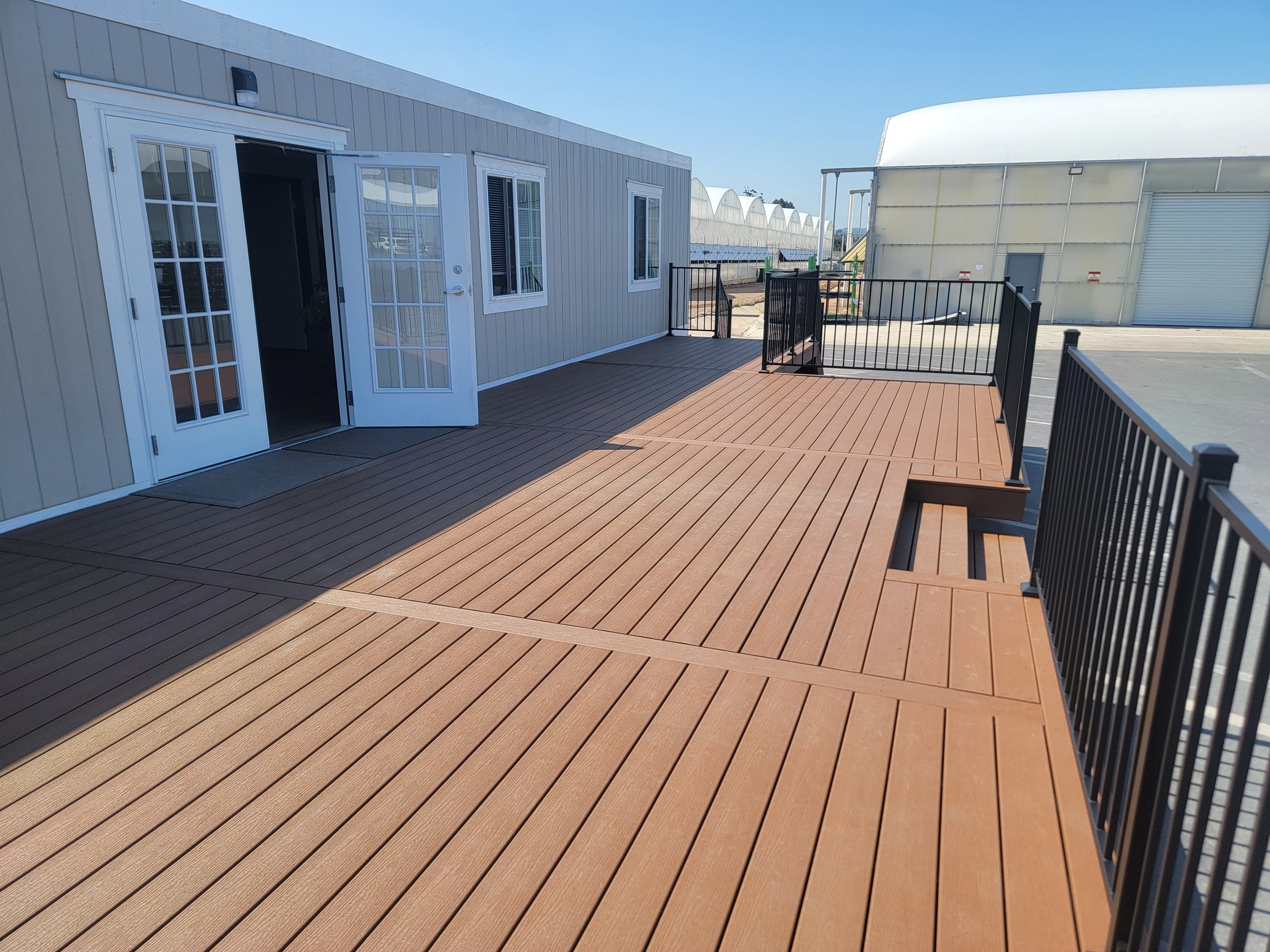
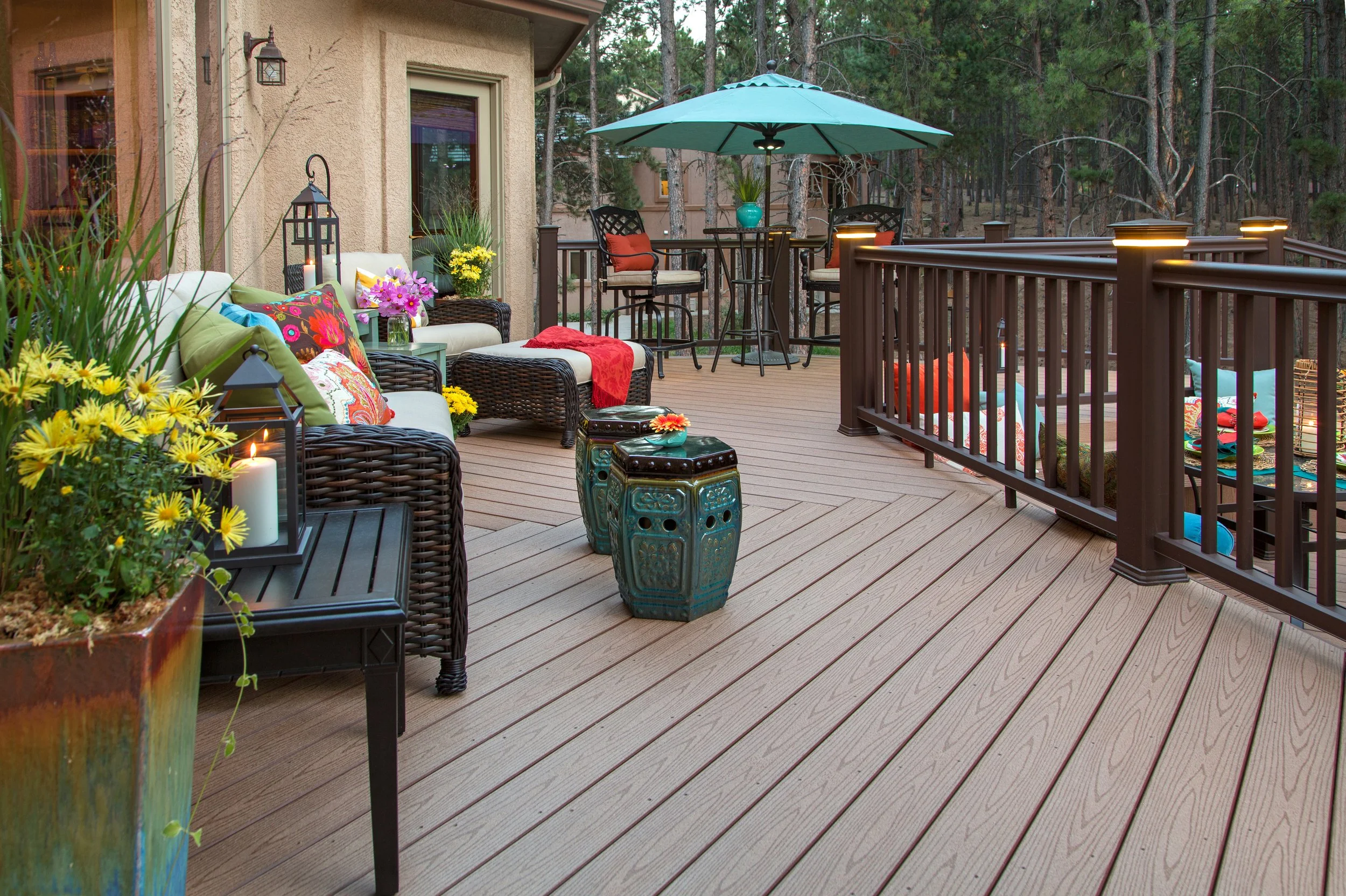
Composite Deck Construction
Composite decking provides homeowners with a balance of traditional deck appearance and modern low-maintenance performance. Proper installation strategies including framing layout, ventilation planning, and rail system integration play an important role in long-term durability.
Learn more about our composite deck design and installation experience.
PVC Deck Construction
Advanced PVC decking systems offer enhanced resistance to moisture exposure, sun intensity, and coastal conditions. These materials are often selected for elevated decks, ocean-facing properties, and outdoor living environments where long-term performance is a priority.
Explore our PVC deck installation approach.
Deck Upgrades & Natural Material Options
Modern deck projects often include material upgrades, structural renovations, and moisture management systems that improve long-term performance and expand outdoor living functionality.
Picano Builders helps homeowners evaluate remodeling needs, natural hardwood decking options, and under deck drainage solutions during the planning phase.
Hardwood Deck Builder
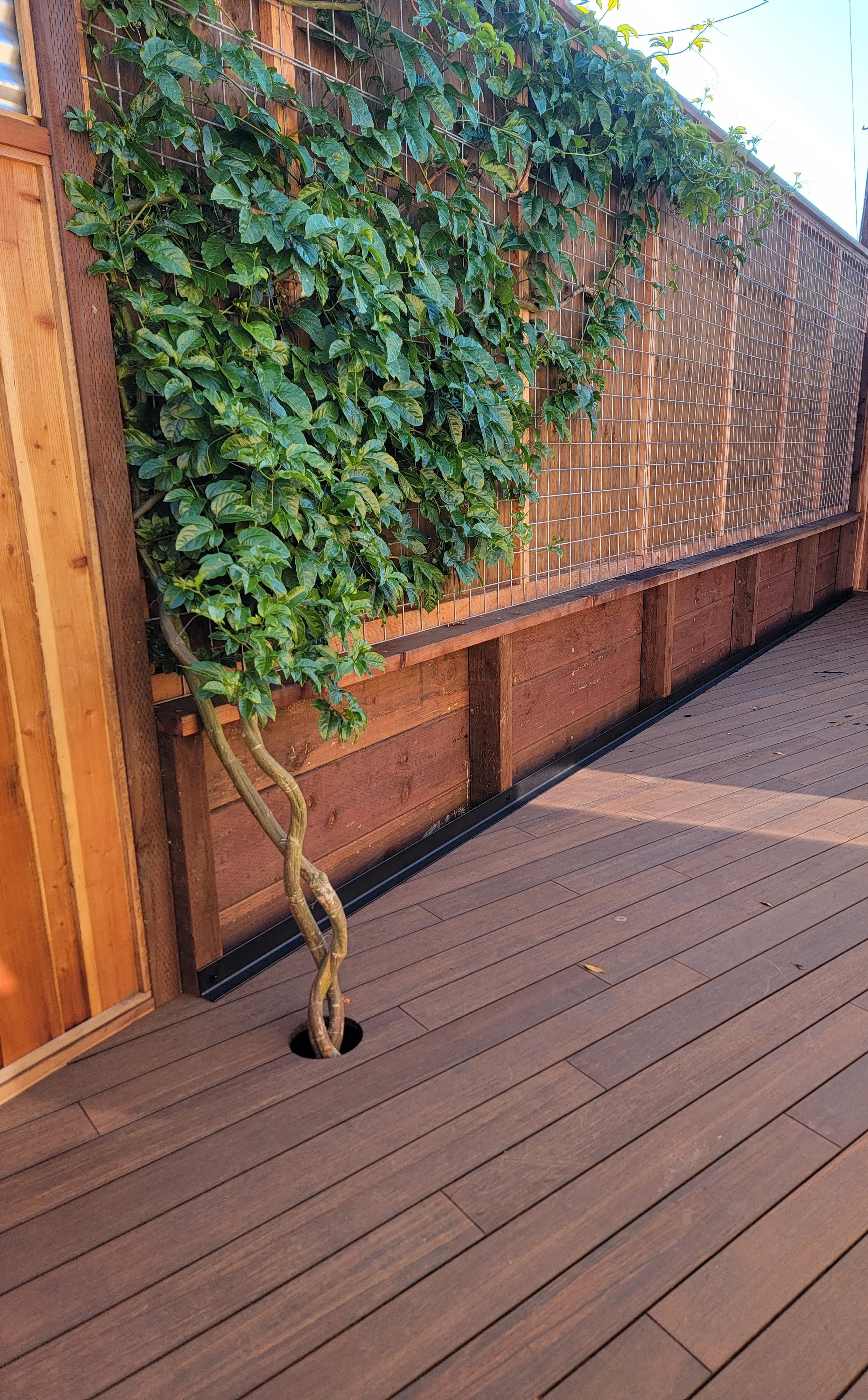
Natural hardwood decking such as Ipe and MOSO® Bamboo offers architectural warmth, authentic material character, and premium outdoor living aesthetics. These systems require thoughtful structural planning and maintenance awareness but deliver exceptional visual impact.
Deck Remodeling & Replacement
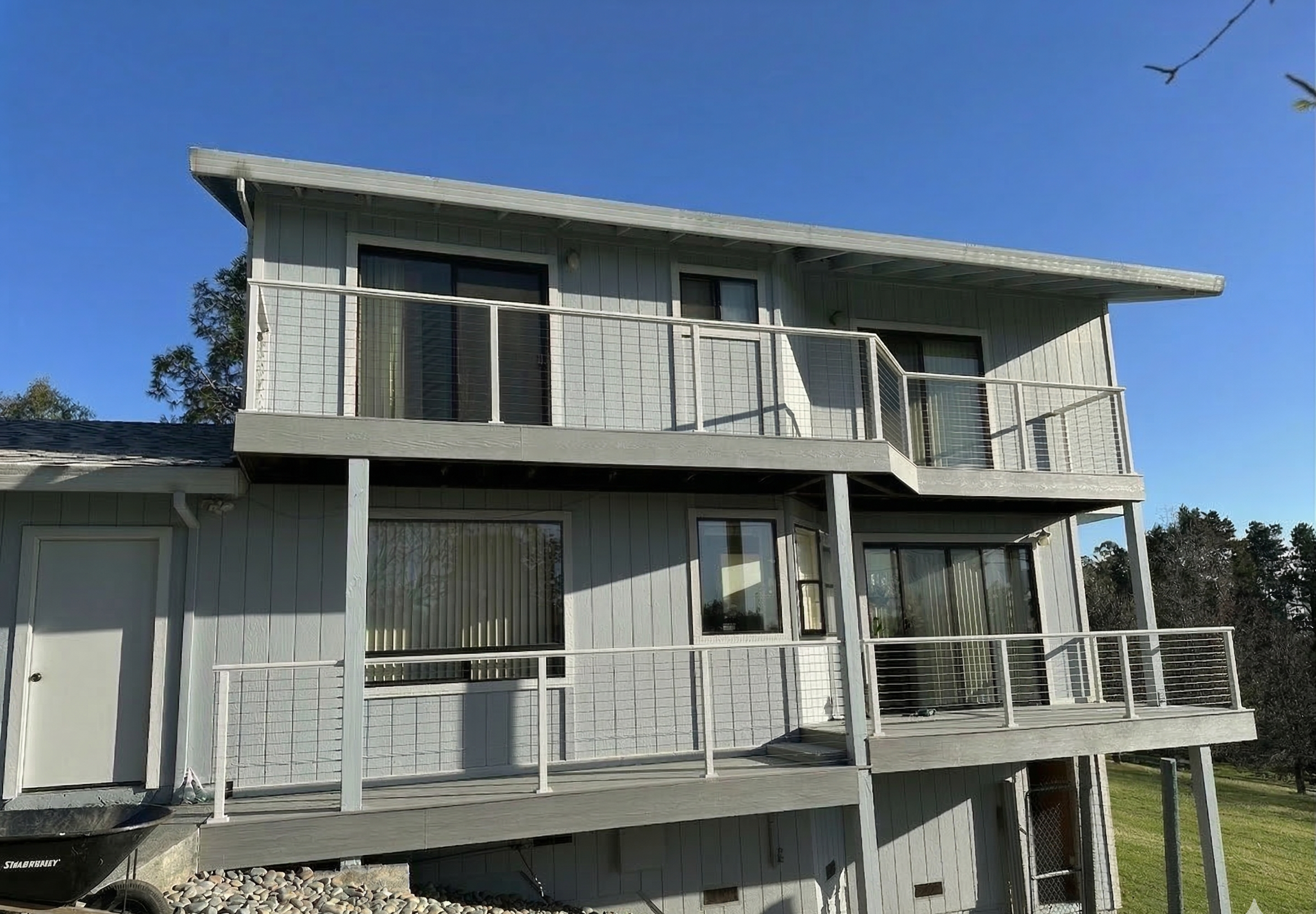
Older decks often benefit from structural upgrades, layout improvements, and modern material replacements that improve safety, usability, and long-term performance. Remodeling allows homeowners to reimagine outdoor living environments.
Under Deck Drainage Systems
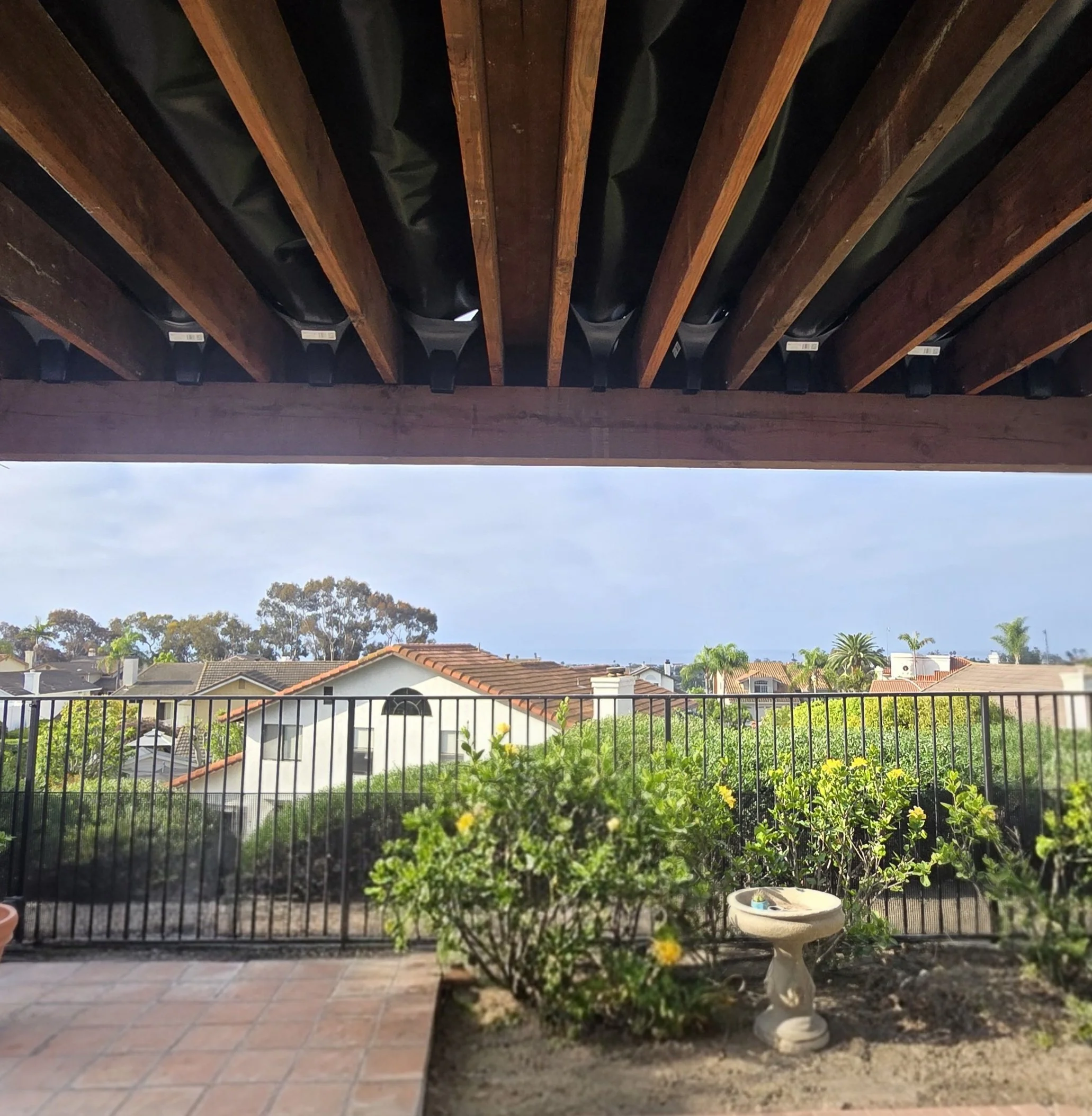
Engineered drainage solutions allow elevated decks to create covered outdoor spaces below while reducing moisture exposure to framing. Proper planning enables soffit ceilings, lighting, and expanded usable patio areas.
Rail Systems
Railing systems do more than meet safety requirements — they define the visual character of the deck and affect long-term maintenance.
We install cable, glass, powder-coated metal, and composite railing systems, each selected based on view preservation, exposure conditions, and overall design goals.
Popular Railing Options
• Cable Railing – Preserves views, modern aesthetic, requires tension maintenance
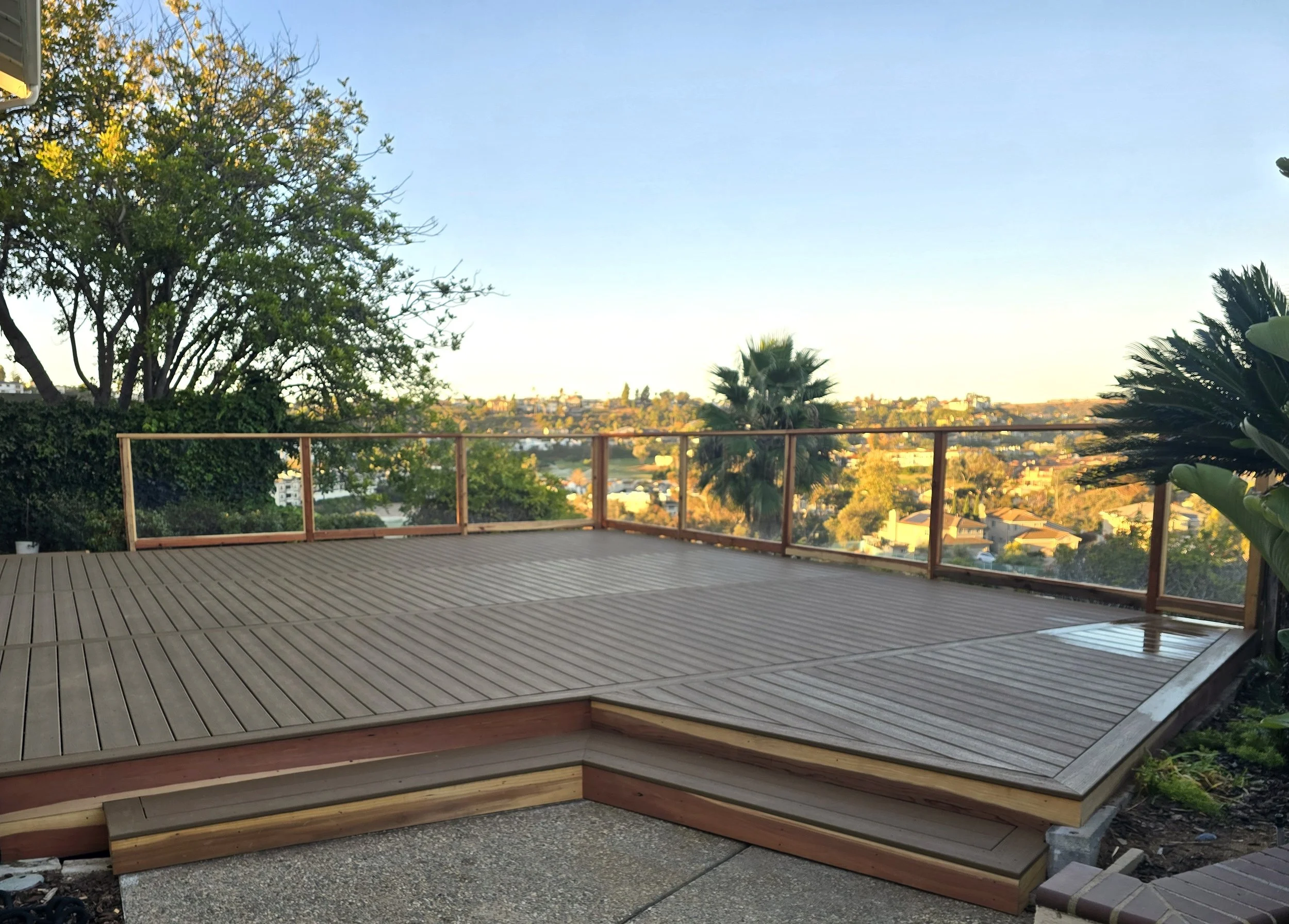
• Glass Railing – Maximum visibility, wind protection, higher investment
• Powder-Coated Metal – Durable, low maintenance, strong structural presence
• Composite Railing – Coordinates with decking, traditional appearance
Railing systems must integrate structurally with the deck framing and meet California guard height and spacing requirements.
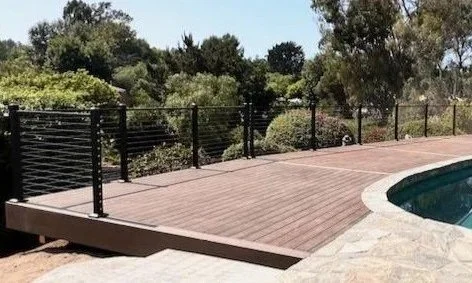
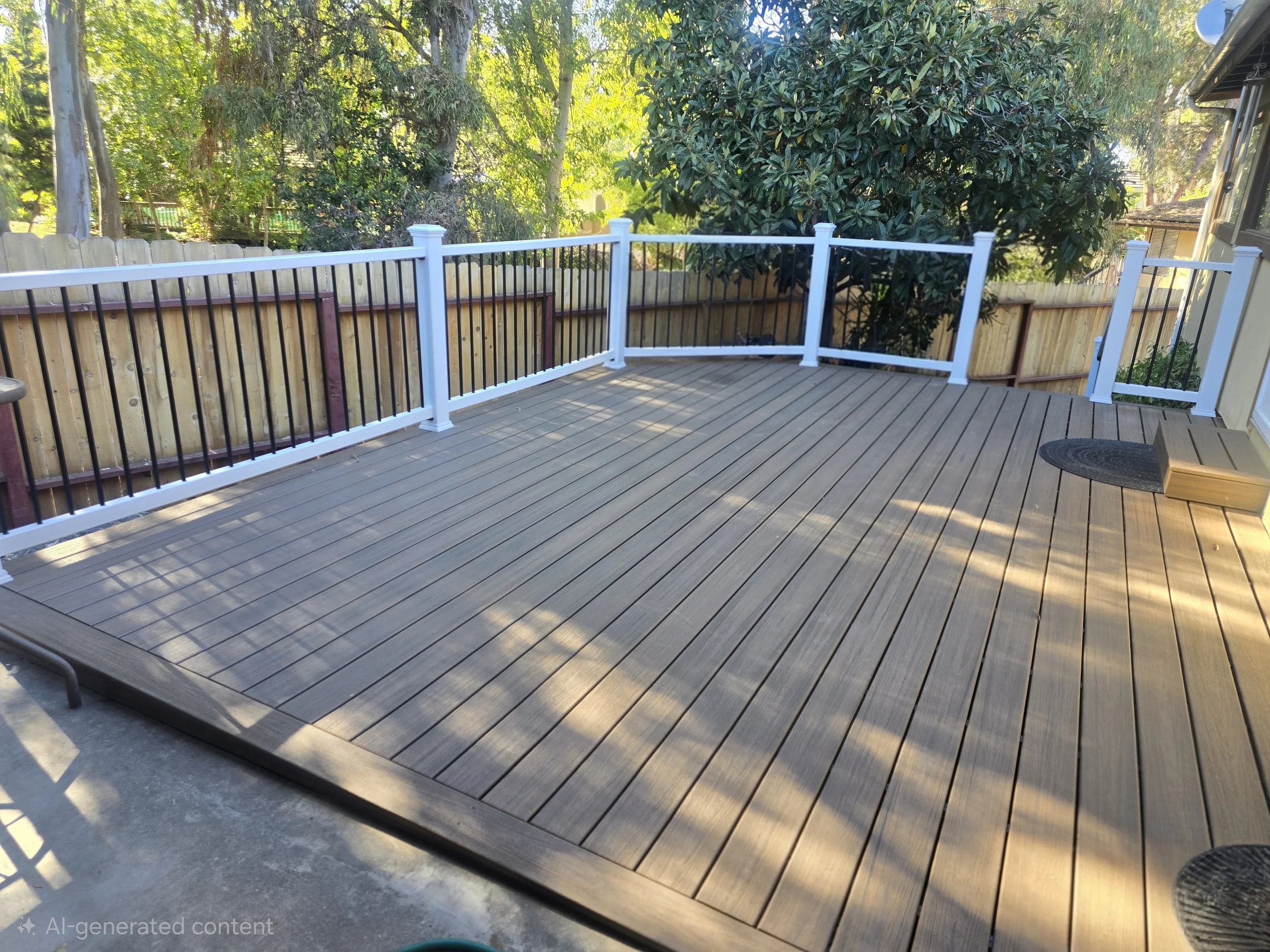

Custom Cable Rail Installation
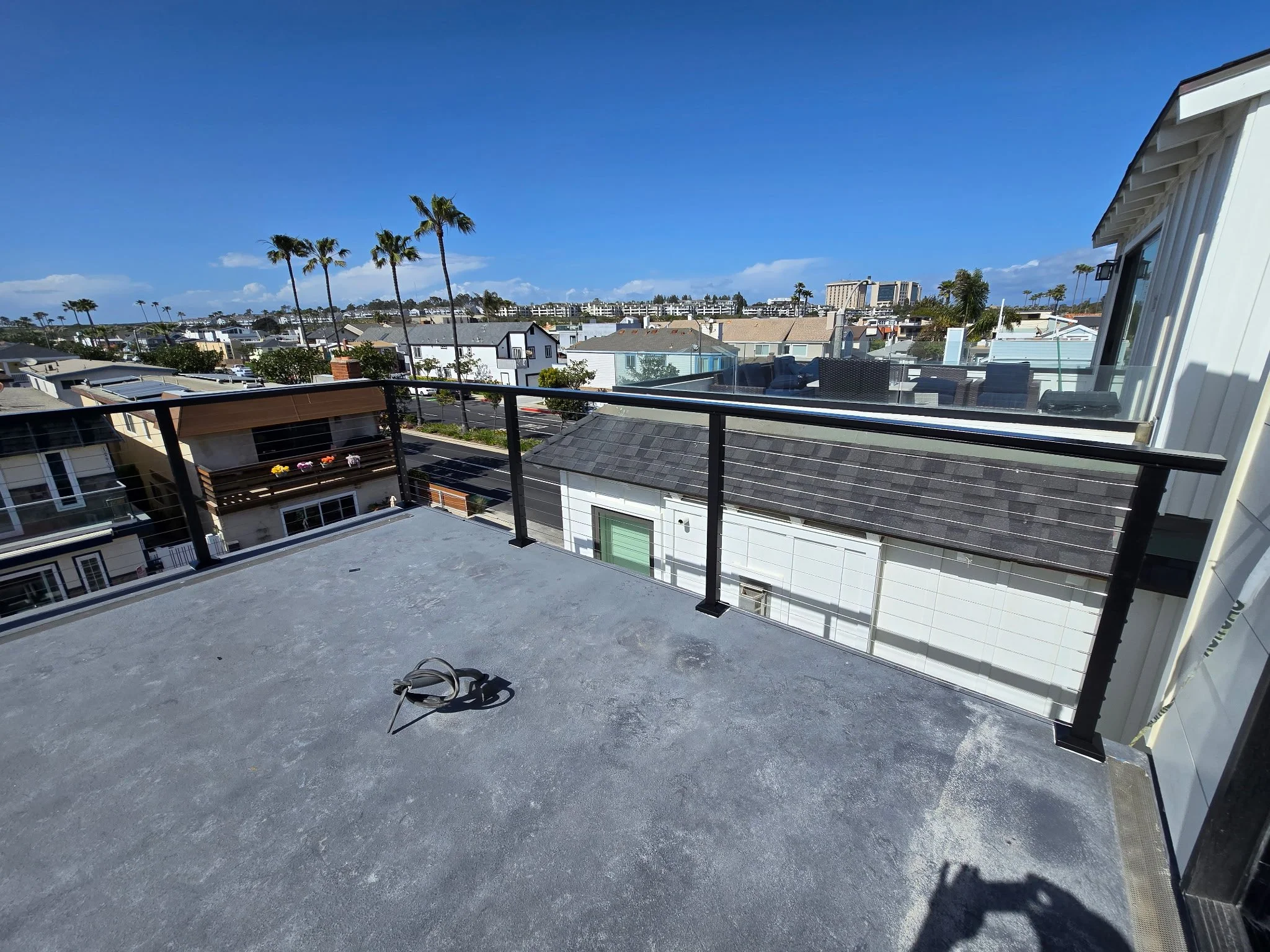
Cable rail systems are a popular choice for homeowners seeking a clean, modern railing solution that preserves surrounding views while supporting safe outdoor living environments. At Picano Builders, cable rail installations are designed around proper structural spacing, precision tensioning methods, and integration with composite, PVC, and hardwood decking systems.
Our experience installing custom-fit Feeney cable rail systems and TimberTech cable railing solutions allows homeowners to achieve refined outdoor living designs tailored to coastal, hillside, and backyard settings.
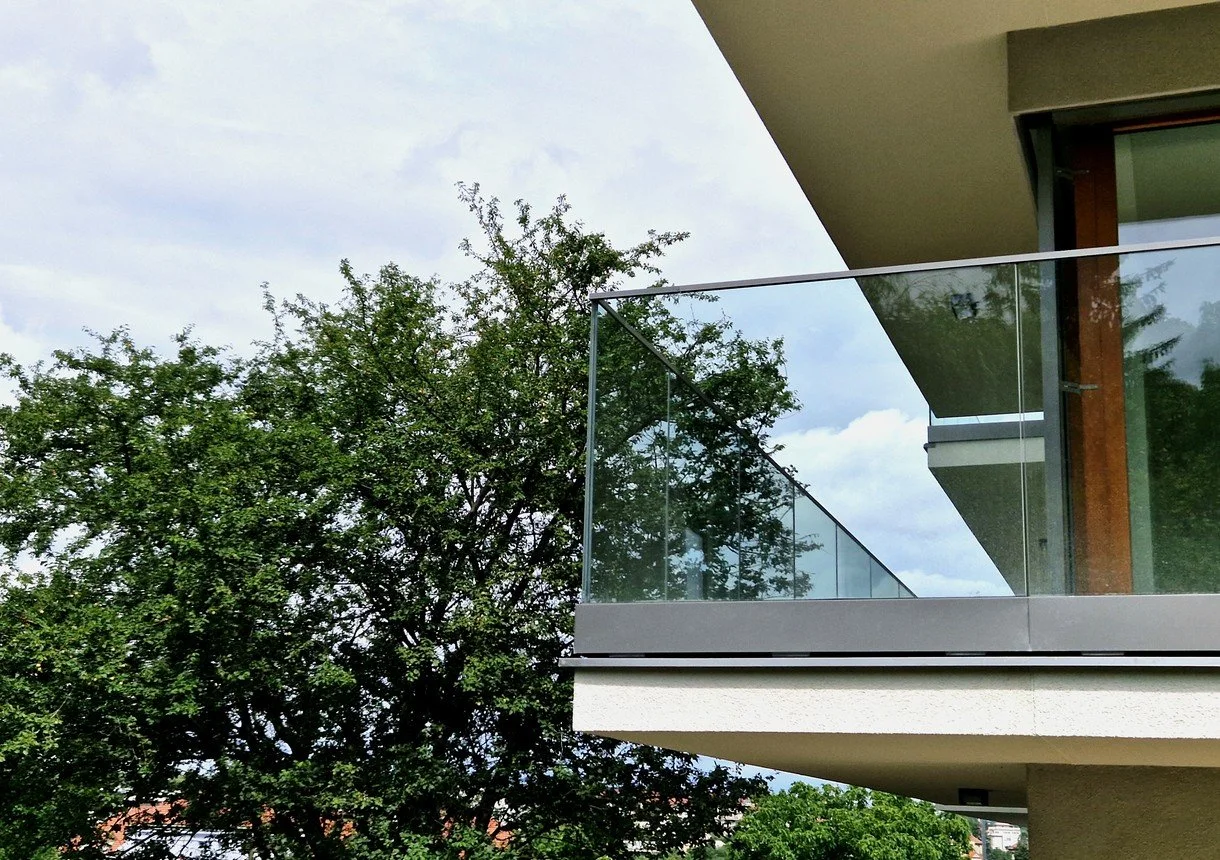
Custom Glass Rail Systems
Glass railing systems create a refined outdoor living environment by maintaining open sightlines while supporting safe deck use. Picano Builders installs modern glass rail solutions coordinated with decking materials, stair layouts, and surrounding architectural features to achieve cohesive outdoor living design.
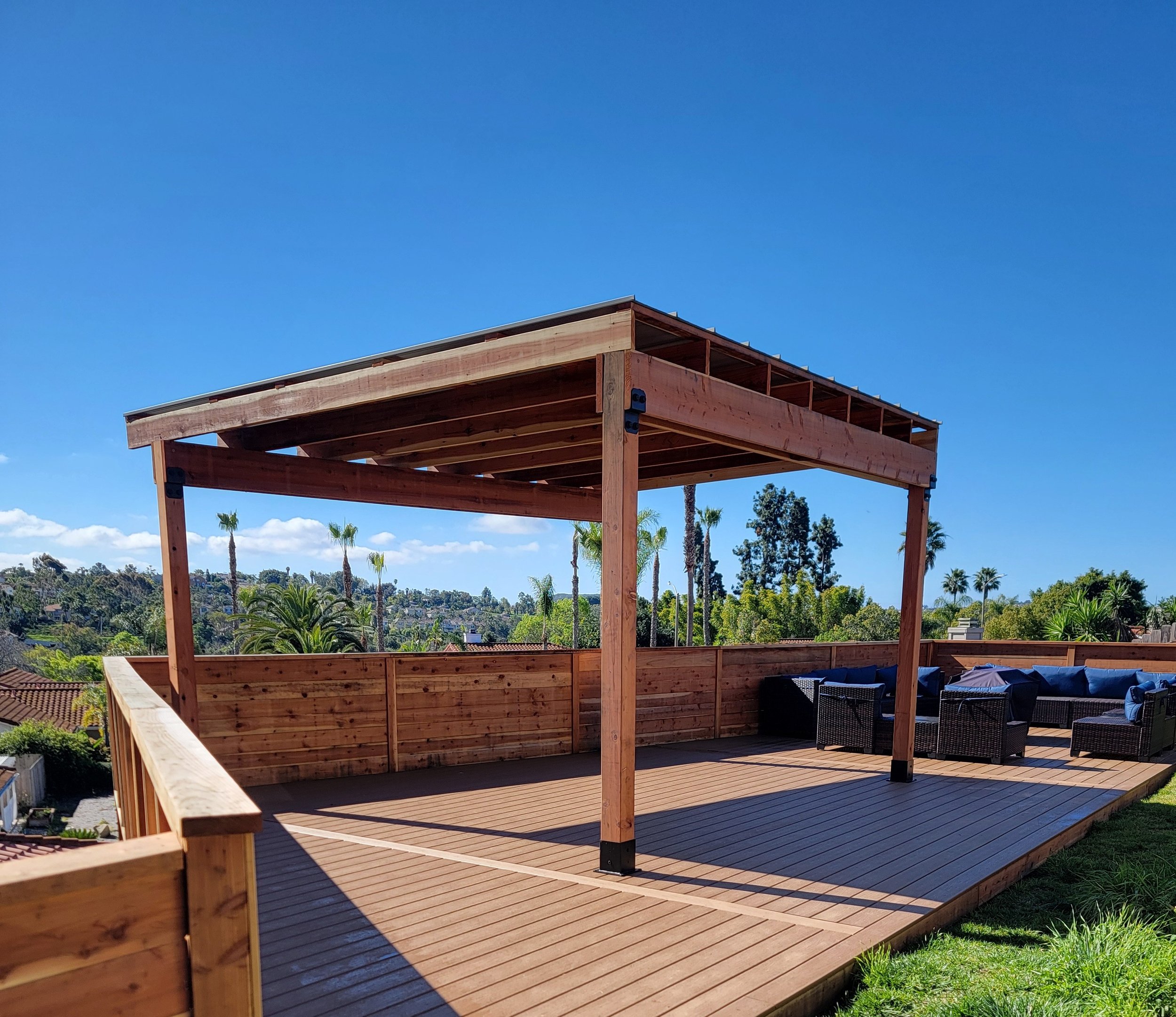
Pergolas & Patio Covers
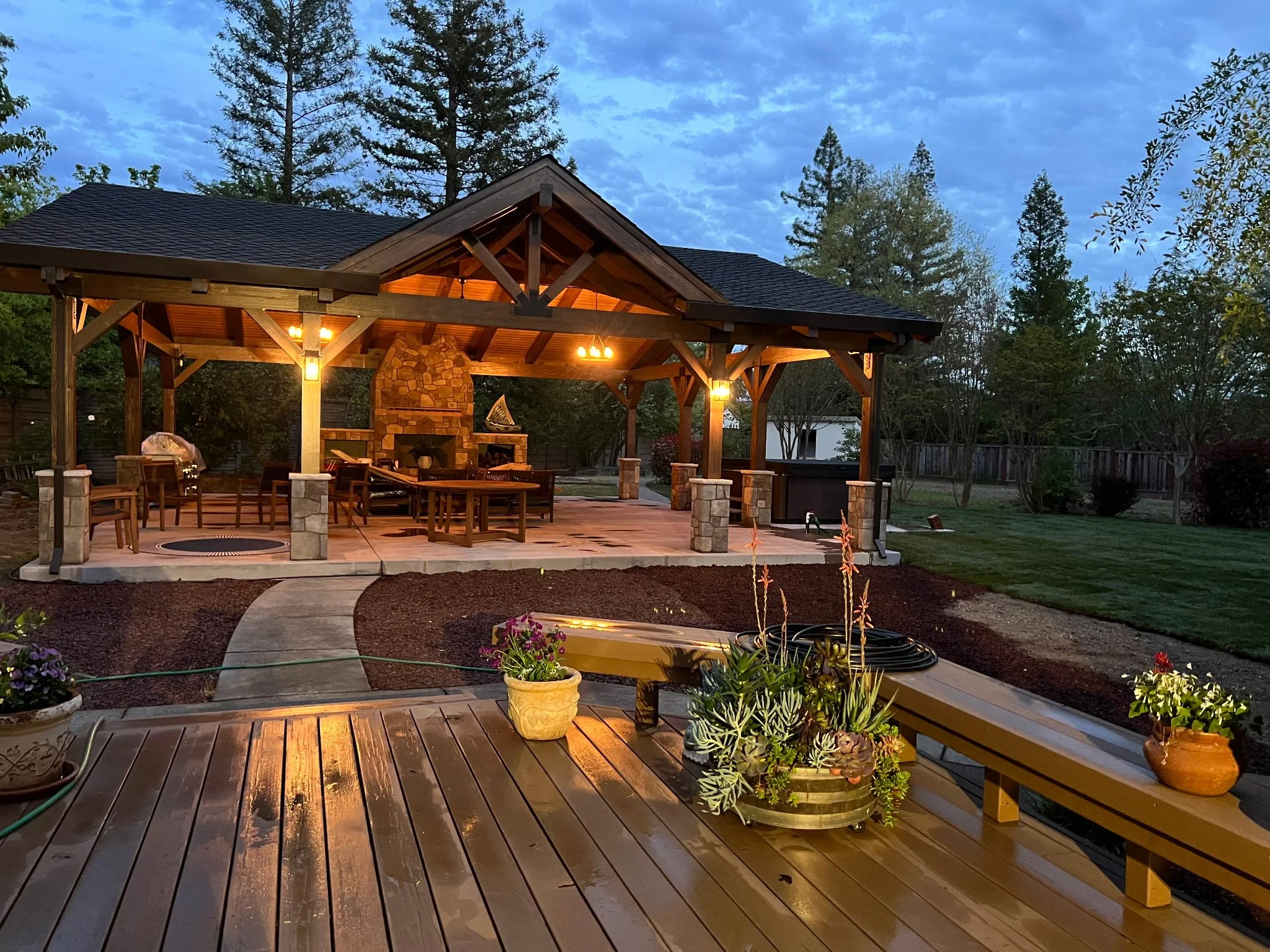
Shade structures dramatically increase the usability of a deck — especially in Southern California.
Pergolas and patio covers must be planned alongside the structural framing of the deck to ensure proper load support and attachment.
Structural Considerations
• Post anchoring and footings
• Beam sizing
• Wind exposure
• Electrical integration (lighting, fans, heaters)
Integrating shade at the design stage prevents costly structural modifications later.
Enhancements & Integrated Features
Modern decks often function as complete outdoor living environments. These enhancements must be planned before framing is finalized.
Lighting Systems
Low-voltage stair lights, post caps, soffit lighting.
Outdoor Media
TV walls, wiring, weather protection planning.
Privacy Screens
Integrated panels, wind protection, visual screening.
Planters & Feature Walls
Additional load considerations.
Built-In Benches
Framing adjustments required for structural support.
Spa Reinforcement
Framing modifications for concentrated weight loads.
Warranties & Long-Term Performance
Building a deck is a structural investment. Manufacturer warranties provide protection — but only when materials are installed correctly and supported by a properly engineered frame.
Understanding what is covered — and what is not — is critical.
Manufacturer Warranties — What They Typically Cover
Most premium composite and advanced PVC decking products include:
• Limited lifetime structural warranties
• 25–50 year fade and stain protection (depending on product line)
• Protection against manufacturing defects
Hardwood decking, such as Ipe, does not rely on extended manufacturer warranties in the same way. Its longevity depends primarily on installation quality, environmental exposure, and ongoing maintenance.
Warranties vary by product line and exposure conditions, which is why material selection must be made intentionally.
What Warranties Do Not Cover
This is where many homeowners are surprised.
Manufacturer warranties generally do not cover:
• Improper installation
• Incorrect fasteners
• Inadequate gapping
• Structural movement caused by framing errors
• Water intrusion from improper flashing
• Drainage failures
• Lack of required maintenance
In other words — materials are protected. Workmanship must be correct.
Why Installation Precision Matters
Premium decking installed incorrectly can void warranty protection.
We follow manufacturer fastening schedules, spacing requirements, temperature-based gapping guidelines, and structural recommendations precisely.
Framing integrity, drainage planning, and proper hardware selection all protect the decking system above.
How We Protect Long-Term Performance
During planning, we align:
• Framing system
• Fastener selection
• Waterproofing design
• Ventilation and airflow
• Surface material selection
So the entire deck system works together as intended.
Warranties protect materials.
Professional construction protects your investment.
Frequently Asked Questions
-
Most elevated or attached decks require permits. Requirements vary by county, fire zone designation, and height above grade. We review permitting requirements during the planning phase and ensure structural compliance before construction begins.
-
Powder-coated steel and aluminum provide the longest structural lifespan and fire resistance. Pressure-treated lumber performs well when properly detailed and maintained, and remains the most commonly selected framing material due to cost balance.
-
Advanced PVC and properly installed composite decking perform well in coastal environments. Fastener selection and corrosion-resistant hardware are critical near salt air exposure.
-
Steel framing is often recommended in wildfire-prone or high-moisture environments. It offers superior structural stability and longevity but comes at a higher upfront investment.
-
Darker composite colors can retain heat in direct sun. Surface temperature depends on color selection, sun exposure, airflow, and surrounding materials.
-
Improper fasteners, incorrect gapping, structural movement, and failure to follow manufacturer installation guidelines can void warranties.
Service Areas
San Diego County
We design and build custom decks engineered for coastal air, hillside conditions, and Southern California sun exposure.
Orange County
Our Orange County projects often incorporate modern railing systems and integrated shade structures.
Sonoma County
In Sonoma County, climate variation and seasonal moisture influence material selection and structural detailing.
Plan Your Deck With Structural Clarity
A well-built deck is engineered, not improvised. Let’s design a structure that performs correctly for your property and environment.
Manufacturers We Specify
-

Trex — Proven Composite Performance
Trex is one of the most established composite decking manufacturers in North America. With over 30 years of production experience, Trex products are widely specified for residential and commercial decks.
We recommend Trex when clients want long-term durability, low maintenance, and strong manufacturer backing. Many Trex product lines include 25–50 year limited warranties covering structural integrity and fade resistance.
Trex decking performs well in California climates, including coastal environments and fire-regulated areas where certain lines meet WUI compliance requirements.
For projects prioritizing dependable composite performance with minimal upkeep, Trex remains a reliable option.
-

TimberTech — Advanced PVC & Composite Systems
TimberTech manufactures both advanced PVC and composite decking systems designed for long-term durability and minimal maintenance. The brand is widely specified for projects requiring enhanced moisture resistance and expanded design flexibility.
We often recommend TimberTech Advanced PVC for elevated decks, coastal environments, and projects incorporating waterproofing or drainage systems. Many product lines include 25-year to limited lifetime warranties covering structural integrity and fade performance.
TimberTech is also known for refined wood-look textures and multiwidth board options, making it a strong choice for projects where design detail is a priority.
For clients seeking upgraded performance with architectural flexibility, TimberTech remains a reliable specification.
-

MOSO® Bamboo — High-Density Natural Performance
MOSO Bamboo Outdoor manufactures high-density bamboo decking and exterior materials engineered for long-term durability. Using compressed bamboo technology, MOSO boards achieve structural performance comparable to hardwood while offering a distinct modern aesthetic.
We specify MOSO when clients want a natural material with enhanced dimensional stability and strong sustainability credentials. Select product lines carry a 25-year warranty against structural damage under normal exterior conditions.
MOSO performs well in varied California climates when installed with proper ventilation and stainless fastening systems. It can be allowed to weather naturally or maintained to preserve its warm caramel tone.
For projects prioritizing sustainable materials with hardwood-level performance, MOSO offers a durable alternative.